
Basements and garden-level units
Milwaukee's older housing stock includes many basements that can run humid in summer. We focus on wall bottoms, storage areas, and any rooms that smell musty after rain or snowmelt.
Serving Milwaukee & surrounding areas
24/7 Emergency Response
Mold Testing • Milwaukee, Wisconsin
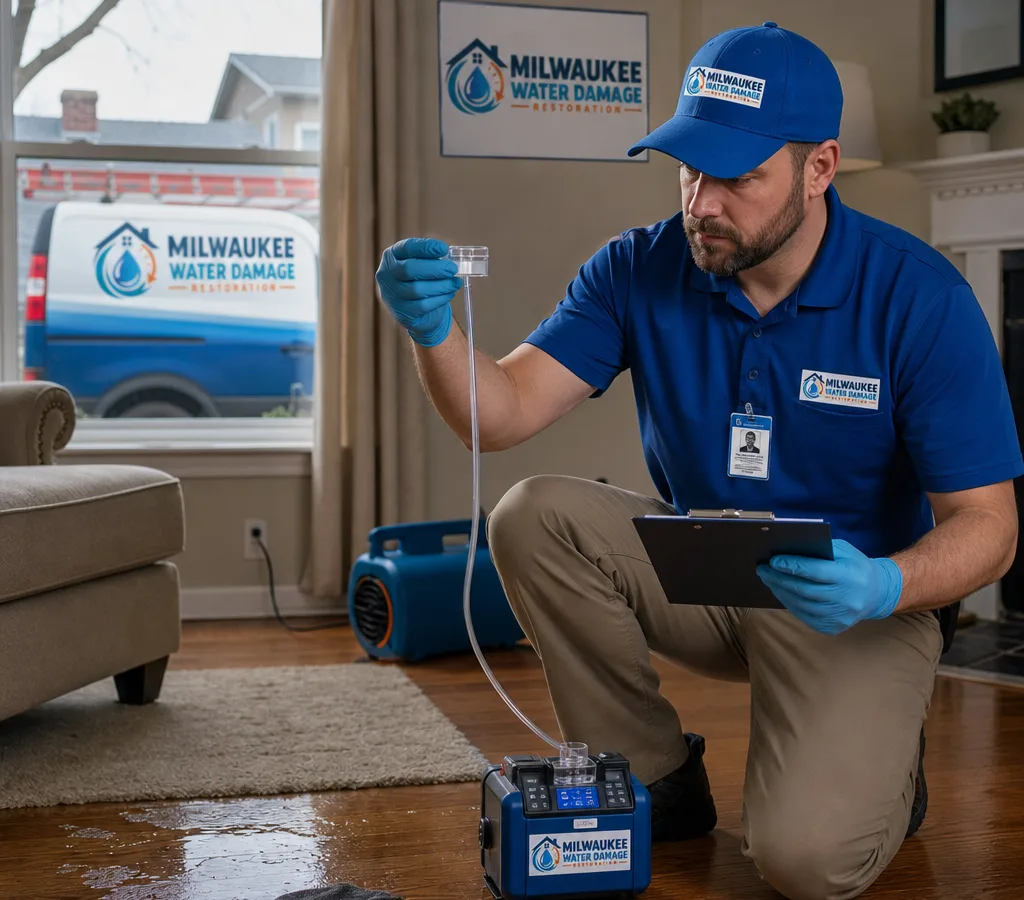
If you smell something musty, saw moisture after a leak, or just want clarity before you buy or rent, testing gives you evidence. Our local inspectors collect samples, document conditions, and deliver a plain-English report you can act on.
✓Visual survey
✓Moisture checks
✓Targeted samples
✓Written report
Test With a Clear Purpose
Mold testing Milwaukee WI homeowners and property managers request most often when there is a reason to verify growth, not just a worry. Testing helps answer practical questions: Is there an indoor source? Is the air impacted? Which areas should be opened up first? Are conditions improving after drying?
Testing is usually worth it when:
Testing is usually not the best first move when you have obvious, active mold growth on a surface and the cause is still present. The priority is correcting the moisture source and setting up proper containment and cleaning. A good inspection can still document what is visible and guide where sampling is useful, but lab results cannot replace fixing the water problem.
If you are also sorting out the moisture side of the situation, start with water damage help in Milwaukee so the source and drying plan are handled in parallel with any testing.
Inspection, Sampling, Reporting
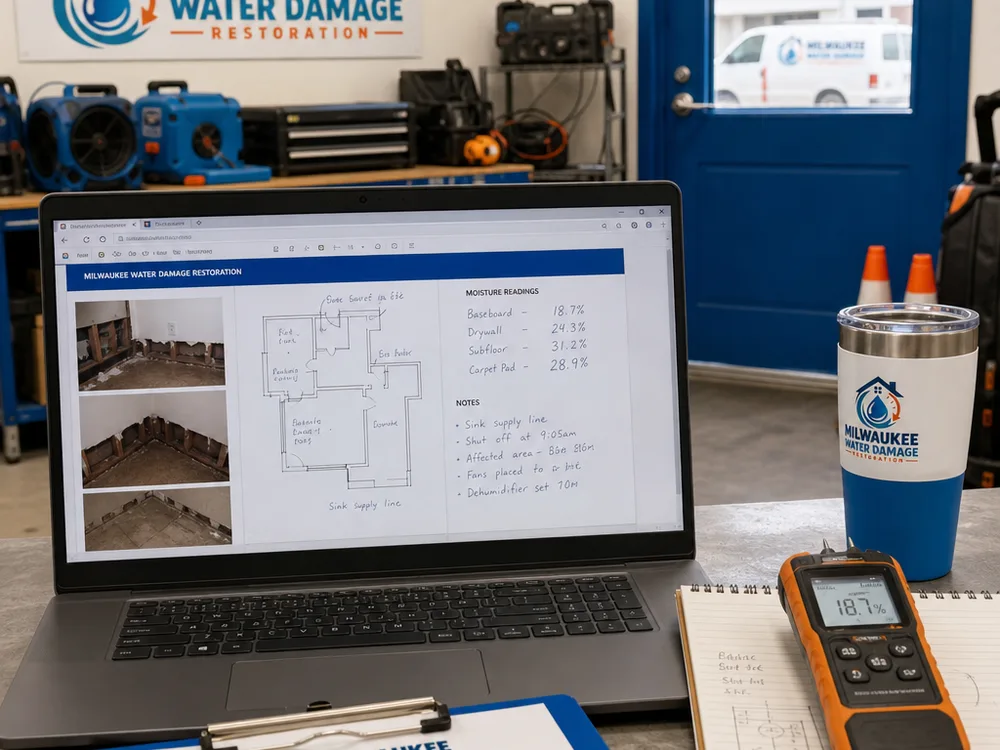
A professional mold inspection combines building science basics with targeted sampling. The goal is to connect moisture, materials, and air movement to the places mold is most likely to grow.
Typical steps include:
You get a written report that lists the lab results, explains what they mean in context, and outlines practical next steps. Recommendations stay tied to what was observed and measured, so you are not guessing what to do with the results.
Local Inspection Scenarios
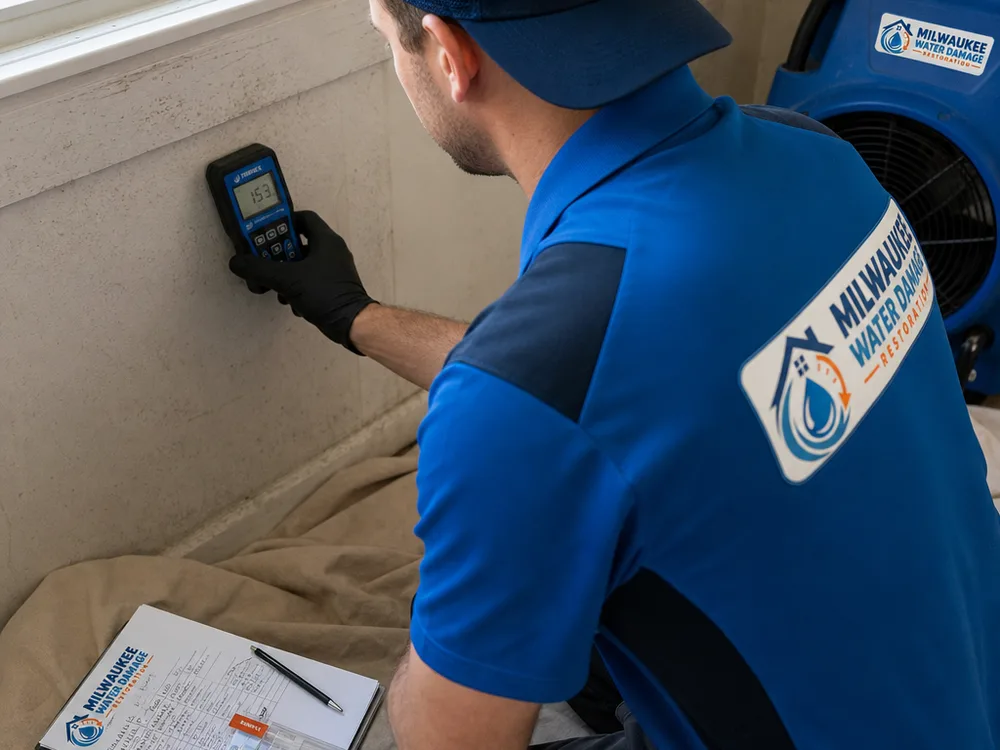
Milwaukee's older housing stock includes many basements that can run humid in summer. We focus on wall bottoms, storage areas, and any rooms that smell musty after rain or snowmelt.
Roof leaks, bath fan duct issues, and ice dam history can leave localized wetting. Testing helps confirm whether staining is old or still tied to a moisture pathway.
Cabinet bases, behind toilets, and inside wall cavities can stay damp without obvious puddles. A targeted inspection and a small number of samples can narrow the scope before repairs.
When timing matters, we document conditions and provide results that are easier to share with buyers, sellers, owners, or building management.
If drying equipment was used or a cleanup was performed, follow-up testing can confirm whether the indoor environment returned to normal for the areas sampled.
From Concern to Clear Report
Each visit is planned around the concern, the building conditions, and the locations most likely to produce meaningful evidence.
Pre-check
You tell us what you have noticed—odor, visible spots, a recent leak, or a specific room. We confirm access needs and whether pets, HVAC operation, or recent cleaning could affect sampling.
Inspection
We walk the affected areas, look for moisture patterns, and identify the most meaningful locations for measurements and samples. If something is clearly unrelated, we say so.
Sampling
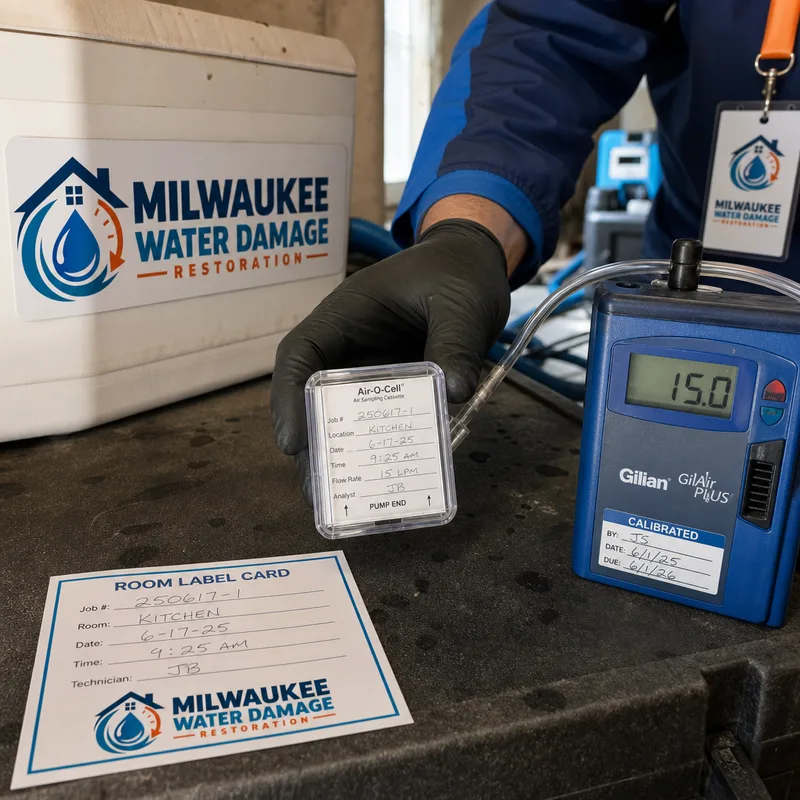
Samples are collected using standard industry methods and labeled by location and type. We document what was sampled so results are tied to real spots in the building.
Analysis
A certified laboratory analyzes the samples. Your report summarizes findings, flags areas of concern, and explains what the results suggest about likely sources and next actions.
Guidance
If results point to a moisture-driven problem, we outline what to fix first. If cleanup is warranted, we explain what a proper remediation scope should include so you can compare bids accurately.
Project-Specific Pricing
Mold testing in Milwaukee typically ranges from about $300 to $900 for an inspection with a small number of samples and a written report. A basic check for one suspect area often lands near the lower end, while larger homes, multiple problem areas, or more sampling—air plus surface—can push pricing higher.
Your final cost depends on how many areas you want evaluated, the number and type of samples collected, access to suspect zones such as an attic, crawlspace, or behind finishes, and whether you need documentation for a transaction or post-work verification. Exact pricing is confirmed after we review the situation and sampling plan.
Request Emergency ServiceField Documentation
Practical Answers
Scheduling is often available quickly, and lab turnaround commonly takes 1 to 3 business days after samples are received. Timing depends on how many samples are collected and the lab's current queue, but we can tell you the expected window when we set up the visit.
It depends on your question: air samples help compare indoor conditions to a control sample, while surface samples help identify what is on a specific spot. Many Milwaukee clients choose a mix when there is both a visible suspect area and a concern about whether the rest of the space is affected.
In most cases, yes, normal operation helps the samples reflect real living conditions. If you recently changed filters, used air purifiers, or did heavy cleaning, tell us so we can interpret results appropriately and choose sampling locations that still answer the main concern.
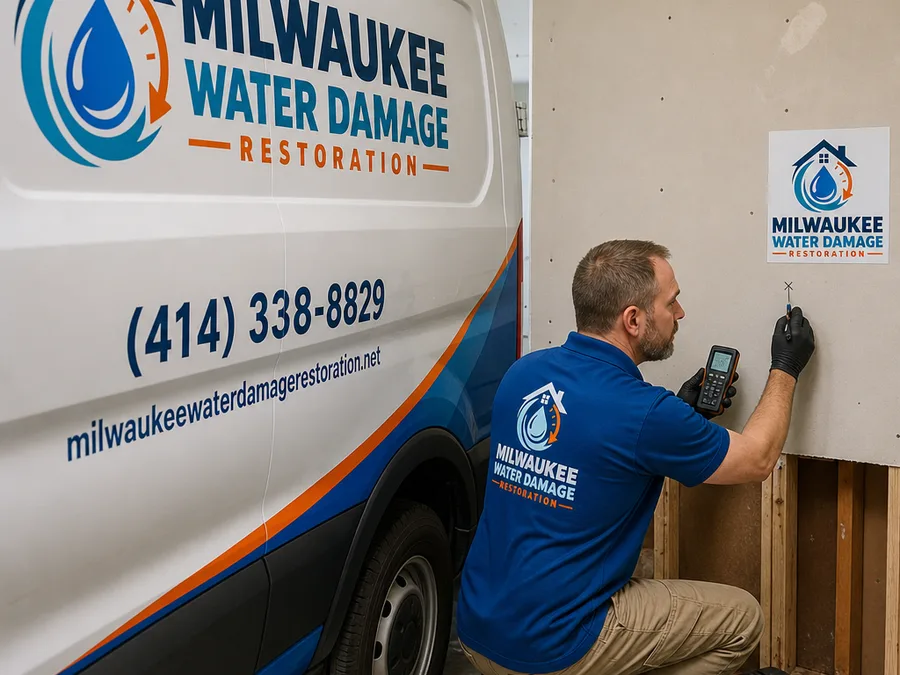
We can often gather useful information without opening finishes by combining moisture readings, infrared screening where appropriate, and sampling in adjacent air zones. If the evidence points strongly to a hidden cavity issue, we will explain what a minimal, targeted opening would look like so the investigation stays controlled.
Testing can show whether mold-related particles are elevated in the areas sampled and whether there is evidence of indoor growth, but it is not a medical determination. Your report focuses on building conditions, likely sources of moisture, and what corrective steps are reasonable for the structure.
Start by correcting the moisture source, then contain and remove or clean affected materials using a scope that matches what was found. We outline practical next steps in the report so you can decide whether you need targeted cleaning, a larger remediation scope, or follow-up verification after work is complete.
Inspection Before Disruption
Tell us what you are seeing or smelling and where it is happening. We will recommend a sensible inspection and sampling plan, then provide a report that makes your next decision easier.