
Written findings you can act on
A clear summary of where microbial growth is suspected or confirmed, what materials are affected, and what conditions are supporting it.
Serving Milwaukee & surrounding areas
24/7 Emergency Response
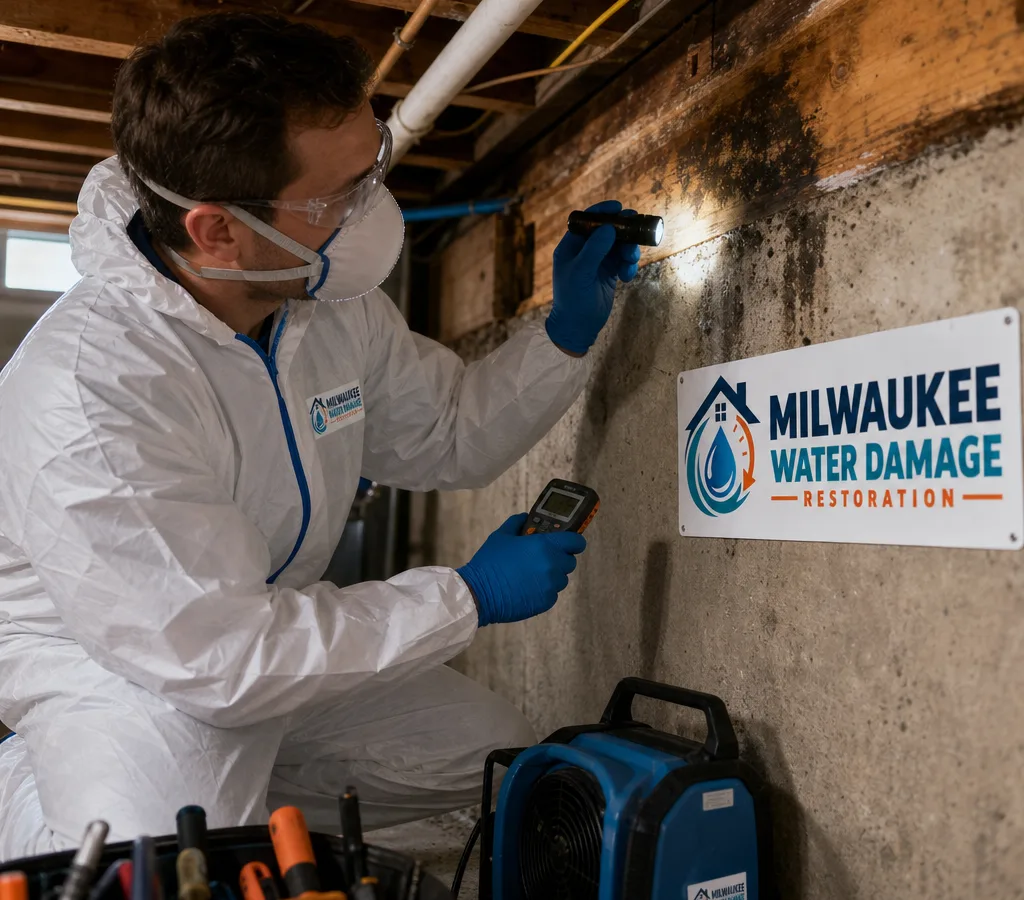
Mold Inspection • Milwaukee, Wisconsin
Get clear answers fast with a thorough inspection, moisture-focused testing, and a written report that documents what was found and what to do next.
✓Visual assessment
✓Moisture readings
✓Photo documentation
✓Written report
Moisture Explains the Pattern
If you are searching for a mold inspector Milwaukee homeowners trust, start with the one thing that decides whether mold comes back: moisture. Our inspections focus on where water is getting in, where humidity is staying trapped, and what building materials are being affected. You get a practical, documented picture of what is happening, not a vague opinion.
Milwaukee housing includes a lot of older construction and finished basements, which can hide moisture behind drywall, paneling, or flooring. Add humid summers and long heating seasons, and you can end up with condensation at exterior walls, attic bypasses, or around ductwork. A good mold inspection connects symptoms—odor, staining, irritation, or recurring growth—to building conditions like elevated moisture content, poor ventilation, or past leaks.
Milwaukee Water Damage Restoration performs mold inspections across Milwaukee, WI, including situations like:
When moisture is active, we document it. When it is historic, we document the evidence and help you plan the next step based on what is present today.
Evidence-Based Inspection
A credible inspection includes a visual assessment, moisture mapping, and a sampling plan that fits the building and the concern. We take notes and photos as we go so your report is easy to follow.
Typical inspection components include:
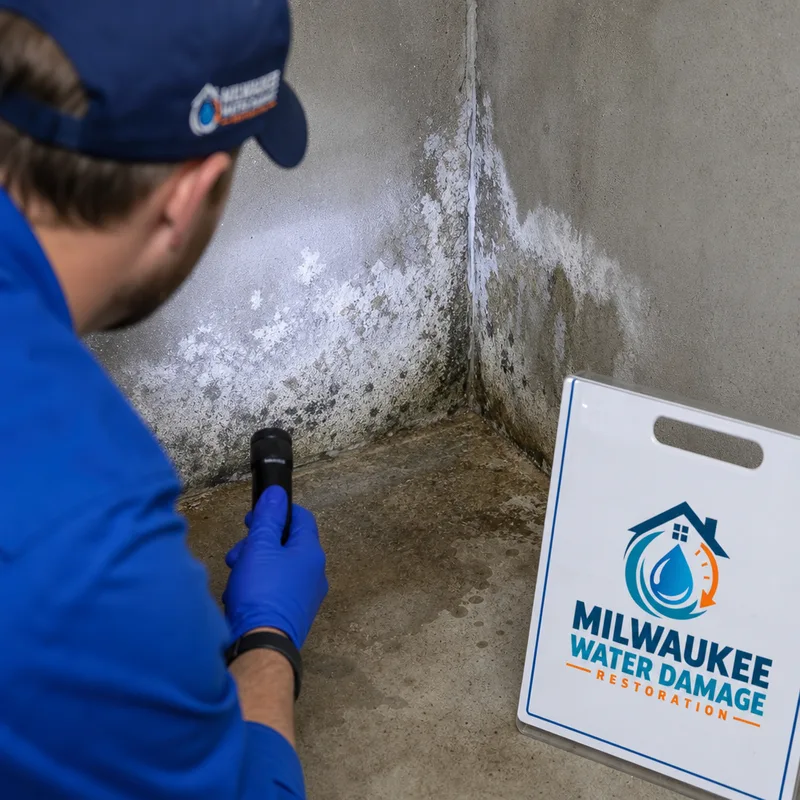
We also flag conditions that often show up in Milwaukee homes, such as damp basement corners after heavy rains, condensation on foundation walls, and moisture at rim joists. The goal is to connect what you see or smell to what is causing it, so the next step is targeted.
If your concern started after a leak or flooding, it can be helpful to address the underlying moisture problem alongside inspection findings. Many clients start by getting water damage restoration in Milwaukee handled, then use the mold report to confirm any remaining affected materials and the right scope.
Clear Inspection Deliverables
A clear summary of where microbial growth is suspected or confirmed, what materials are affected, and what conditions are supporting it.
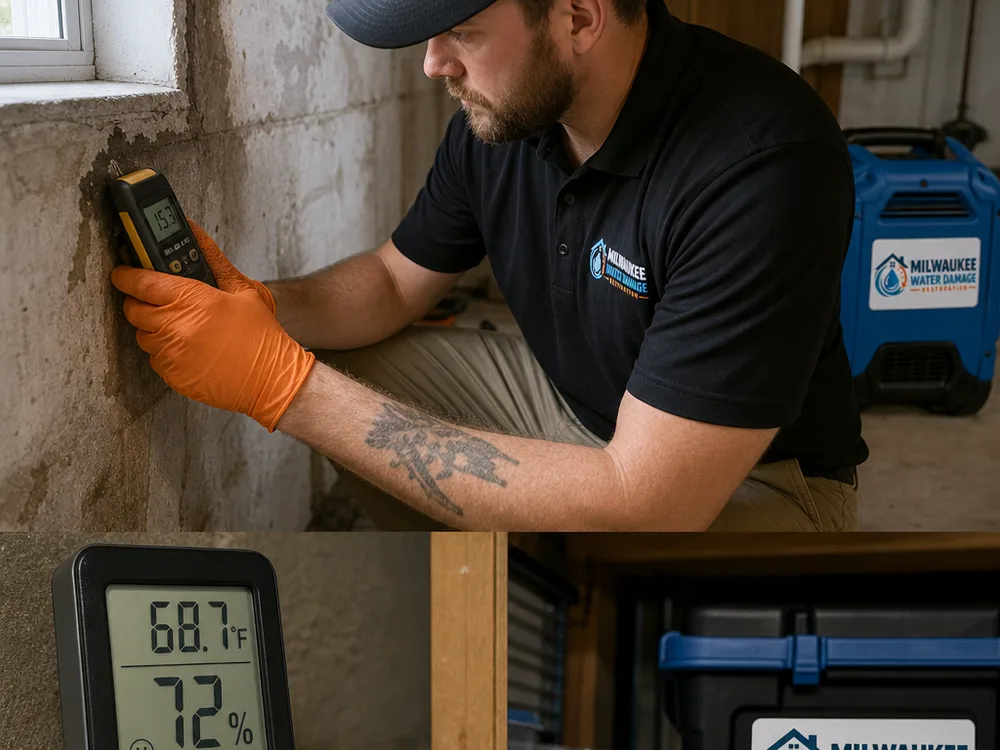
Photos of visible growth, staining, water marks, and access points, so you can share the same facts with a contractor, landlord, or buyer.
Moisture readings and observed humidity or ventilation conditions that explain why the problem is present in the first place.
If sampling is appropriate, results are included with context about what was sampled, where, and what the numbers mean for your next decision.
Recommendations focused on correcting moisture sources and defining containment or cleanup scope, so remediation is sized to the problem.
Documentation formatted so it is usable during negotiations, repair addenda, or pre-closing planning when time is tight.
Inspect, Measure, Document
Each inspection is shaped around the property, the history of moisture, and the specific decision the findings need to support.
Intake
You tell us what you are seeing or smelling, where it is happening, and any history such as leaks, prior cleanup, or recent renovations. We confirm areas to inspect and whether sampling may be useful.
Inspection
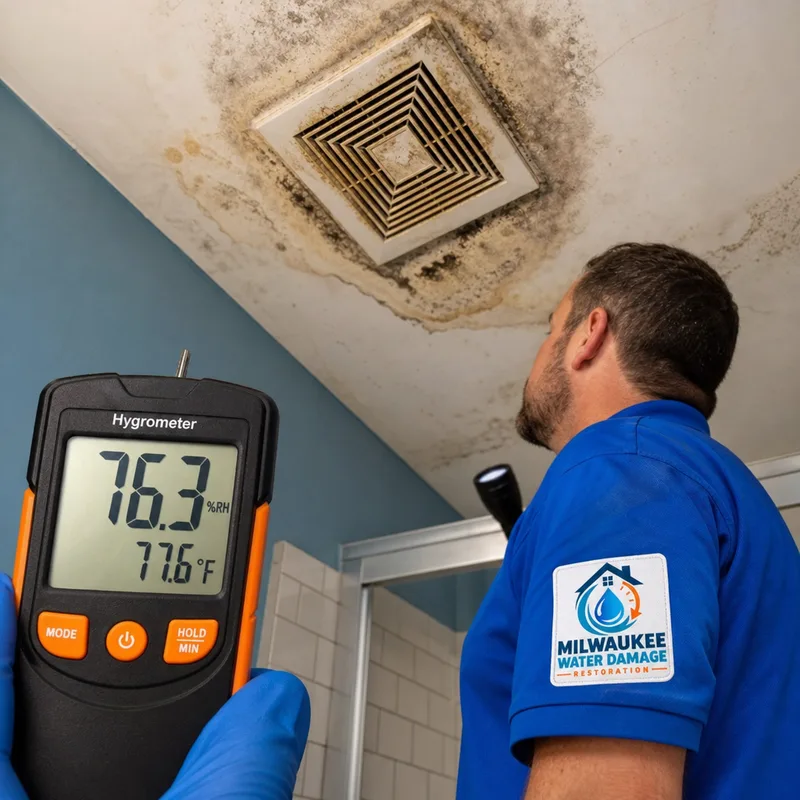
We inspect the interior and likely moisture entry points. In many Milwaukee properties this includes basements, rim joists, bathroom exhaust performance, attic access points, and areas around plumbing runs.
Sampling
We collect air and/or surface samples when it helps confirm a remediation scope, support a real estate decision, or check a concern where growth is not clearly visible.
Report
You receive a written report with photos, observations, moisture notes, and practical recommendations. If remediation is needed, the report supports a clear scope that can be priced and scheduled.
Clear Pricing Factors
Most mold inspections in Milwaukee typically range from $250 to $750, depending on the size of the property, how many areas are involved, and whether sampling is included. A straightforward visual inspection with moisture readings often falls on the lower end, while inspections with multiple air or surface samples and more detailed investigation trend higher.
Your final price depends on access to areas such as an attic, crawlspace, or finished basement; the number of rooms or levels to assess; how targeted the concern is; and how much sampling is needed to answer your specific decision. Exact pricing is confirmed after we understand the scope and the conditions at the inspection.
Request Emergency ServiceMilwaukee Inspection Conditions

Practical Answers
Hire a mold inspector when the affected area is larger than a small, easy-to-reach spot, when growth keeps returning, or when there is a history of leaks or dampness in the same area. In Milwaukee, recurring basement odor and repeated bathroom ceiling growth often point to ongoing moisture or ventilation issues that need to be identified before any cleanup will hold.
We start with a visual inspection and moisture investigation, and we add air and/or surface sampling when it will answer a specific question. Air testing can help compare an area of concern to a reference area, while surface samples help document what is on a particular material for a remediation scope or real estate documentation.
Most inspections take about 60 to 120 minutes, depending on the size of the home and the number of areas involved. A single-room concern can be faster, while a multi-level home with a finished basement and attic checks usually takes longer because access and moisture mapping matter.
Yes, and we focus on signs that suggest hidden moisture behind finishes, such as elevated meter readings, baseboard swelling, localized odor, staining at seams, or condensation patterns. If conditions suggest concealed impact, we document what we can verify non-invasively and explain options for confirming what is behind the finished surface.
A good inspection report supports a practical scope by identifying affected areas, materials, and moisture conditions, but the exact removal plan can depend on what is discovered once materials are opened. We document what is visible and measurable and outline next steps so any remediation is sized to the evidence rather than assumptions.
In most cases, no. For sampling accuracy, we may ask you to keep windows closed for a period beforehand and avoid activities that stir up dust, such as heavy cleaning or sweeping, right before the appointment since that can affect air sample results.
Yes. We provide written findings with photo documentation and sampling results when performed, which can be shared with a seller, buyer, agent, or contractor. In time-sensitive real estate situations, the main goal is to establish what is present, where it is located, and what next steps are reasonable based on current conditions.
Schedule a Mold Inspection
Tell us what you are seeing, where it is happening, and any history of leaks or dampness. We will schedule an inspection, document findings in writing, and help you decide the next step with confidence.