
Water Extraction and Pump-Out
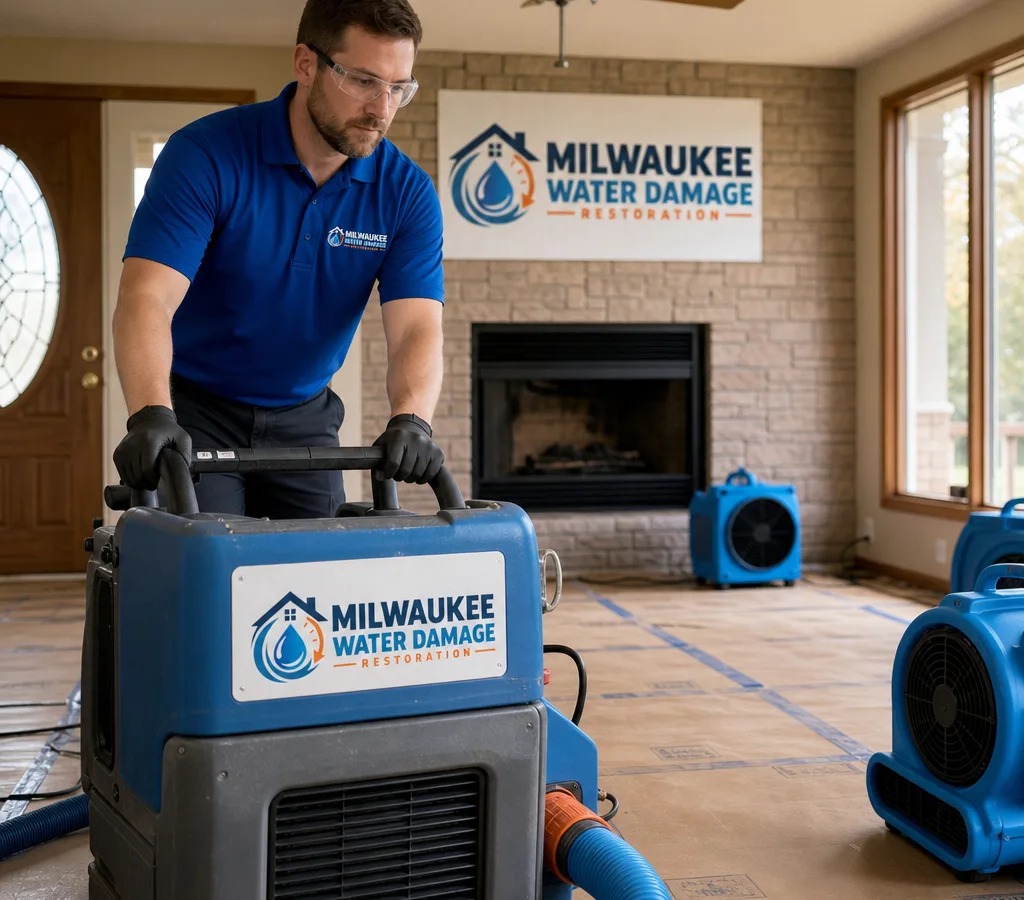
We remove standing water with truck-mounted or portable extraction, then detail-extract carpets and padding when salvageable to reduce total dry time.
Serving Milwaukee & surrounding areas
24/7 Emergency Response
Water Damage Restoration • Milwaukee, Wisconsin
When water gets in, time matters. We respond quickly, stop the spread, and dry your property the right way so repairs can move forward with a clear plan.
✓Water extraction
✓Structural drying
✓Moisture monitoring
✓Damage cleanup
Early Action Limits the Loss
Water problems do not wait for a convenient time. A supply line can fail, a water heater can let go, a sump pump can't keep up, or an upper-floor leak can soak ceilings and walls before you notice.
Milwaukee water damage restoration is about acting early: remove water, dry building materials to safe moisture levels, and prevent secondary damage like swelling, staining, and microbial growth.
Our team handles water extraction, structural drying, cleanup, and the documentation that supports an insurance claim when you choose to file one. You will get a clear scope, what needs to be removed versus dried in place, and what comes next so you can make decisions without guesswork.
If you are comparing local options, start with Milwaukee Water Damage Restoration for a quick overview of what we do and how we respond.
Complete Loss Stabilization
We remove standing water with truck-mounted or portable extraction, then detail-extract carpets and padding when salvageable to reduce total dry time.
We set air movers and dehumidifiers based on affected materials and containment needs, then adjust the setup as readings change.
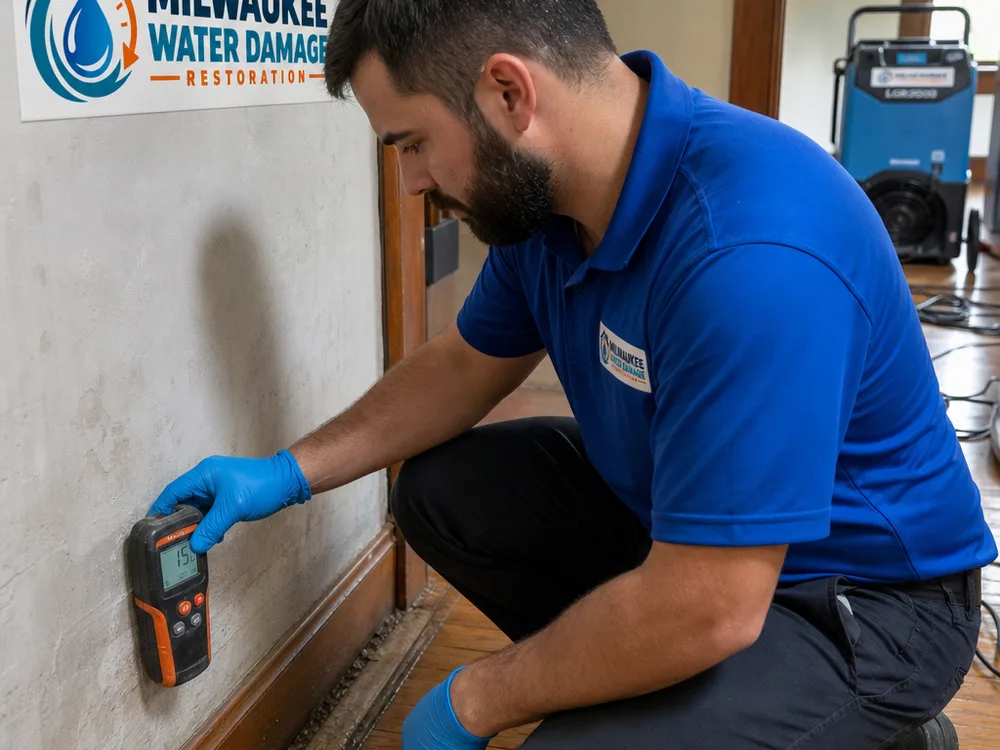
We use moisture meters and thermal imaging to find hidden wet areas in walls, cabinets, and subfloors, and we track drying progress until targets are met.
When materials cannot dry safely—often wet drywall, insulation, or swollen trim—we remove only what is necessary to open cavities and prevent ongoing damage.
After clean-water losses, cleaning focuses on debris, dust control, and safe antimicrobial application where appropriate. For contaminated water, we follow stricter handling and disposal practices.
We document moisture readings, equipment placement, and the scope of affected areas so you have organized support if an adjuster requests details.
Built for Milwaukee Properties
A lot of Milwaukee properties have plaster walls, dense wood trim, and layered flooring that can hold moisture longer than newer assemblies.
Finished basements are also common, and water can travel behind baseboards, under floating floors, and into wall cavities without obvious surface signs.
We treat each loss like a building-science problem. That means identifying the category of water—clean, gray, or black—isolating affected areas when needed, and choosing a drying strategy that fits the materials. Drying plaster is different than drying drywall. Wet hardwood behaves differently than LVP over an underlayment.
If the source is still active, we start with stopping it or coordinating the stop, then move into extraction and controlled drying.
You will also get straightforward guidance on what you can do right away while you wait for help: shut off the water if safe, avoid running the HVAC if you suspect water in returns or ductwork, and keep people off wet electrical areas until they are assessed.
Extracted, Monitored, and Dry
Each step is guided by safety checks and moisture readings so water removal, drying, and cleanup remain targeted.
Assessment
We identify the source and type of water, check for obvious electrical hazards, and determine which areas are affected, including hidden moisture.
Extraction
We extract standing water, pull up edges or remove saturated padding when needed, and protect flooring and contents with plastic and floor covering.
Drying
We set air movement, dehumidification, and containment based on the structure, then establish drying goals using moisture readings from unaffected reference areas.
Monitoring
Drying is not set-and-forget. We take readings, document progress, and adjust equipment placement to keep drying efficient and targeted.
Completion
Once materials meet dry standards, we clean up, remove equipment, and confirm what repairs are needed so you can move forward with a defined plan.
Clear Pricing Factors
Water damage restoration in Milwaukee typically ranges from about $900 to $6,500+, depending on how far the water traveled and how much structure needs drying or removal.
A small clean-water loss in one room is usually at the low end, while basement flooding, multiple rooms, or contaminated water pushes costs higher.
Price is driven by square footage affected, water category, how long materials stayed wet, equipment days, and demolition needs such as drywall, insulation, or flooring. The exact cost is confirmed after an on-site inspection and moisture mapping.
Request Emergency ServiceIf you have wet drywall, buckling floors, or water in a basement, getting a professional moisture assessment early can prevent a small loss from turning into a much larger rebuild.
Call for Emergency HelpPractical Answers
In many cases, extraction can start the same day, but the real limiter is safe access and stopping the source of water. If the leak is active, shut off the supply if you can do so safely, and keep people away from any wet electrical outlets or panels until they are checked.
Yes. Basement water losses often require both extraction and careful moisture mapping because water can wick into studs, insulation, and subfloors. We focus on drying what can be dried, removing what cannot, and setting dehumidification to control humidity in below-grade spaces.
Most structural drying takes about 3 to 5 days, but timelines vary with material type, how saturated the space is, and temperature and airflow conditions. Wet plaster, dense trim, and layered flooring assemblies can extend drying time compared with a simple drywall loss.
Sometimes, yes. If wet materials cannot dry to an acceptable level or the wall cavity needs to be opened to dry safely, we recommend selective removal. The goal is to remove only what is necessary to stop ongoing damage and allow proper drying.
Yes. We provide job documentation such as moisture readings, affected areas, and equipment usage notes that insurers often request. Coverage depends on your policy and the cause of loss, so it is smart to confirm details with your carrier while restoration is underway.
If it is safe, stop the water at the source, move small valuables and electronics out of wet areas, and blot or extract what you can with towels. Avoid household vacuums unless they are rated for wet pickup. Do not run fans into suspected contaminated water, and avoid peeling materials off walls because it can spread contamination or cause more damage.
Start With a Moisture Assessment
Tell us what happened and what areas are wet. We will walk you through immediate next steps, inspect the affected spaces, and outline the drying and cleanup plan so you can move forward with confidence.